
Current Projects
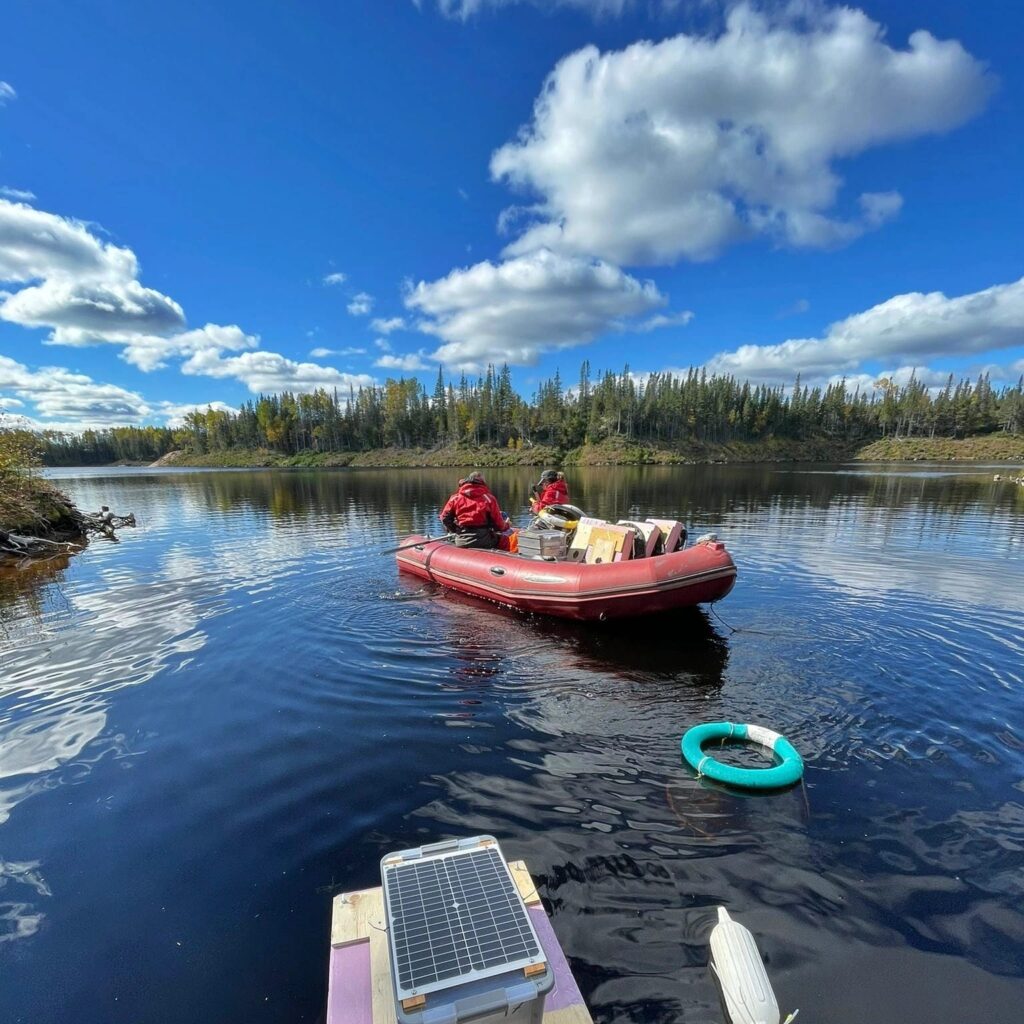
The La Romaine Watershed
The La Romaine Watershed Project investigates the carbon balance of a cascade of young boreal hydroelectric reservoirs in Northeastern Québec. The project integrates field measurements and modeling of aquatic metabolism, greenhouse gas fluxes, nutrient transport, and dissolved organic matter dynamics. By combining physical, chemical, and biological approaches, the project aims to build a comprehensive understanding of the biogeochemical functioning of these reservoirs across time and space. The ultimate goal is to deliver a full C budget for the La Romaine system and improve understanding of how northern reservoirs shape biogeochemical cycles at regional to global scales.
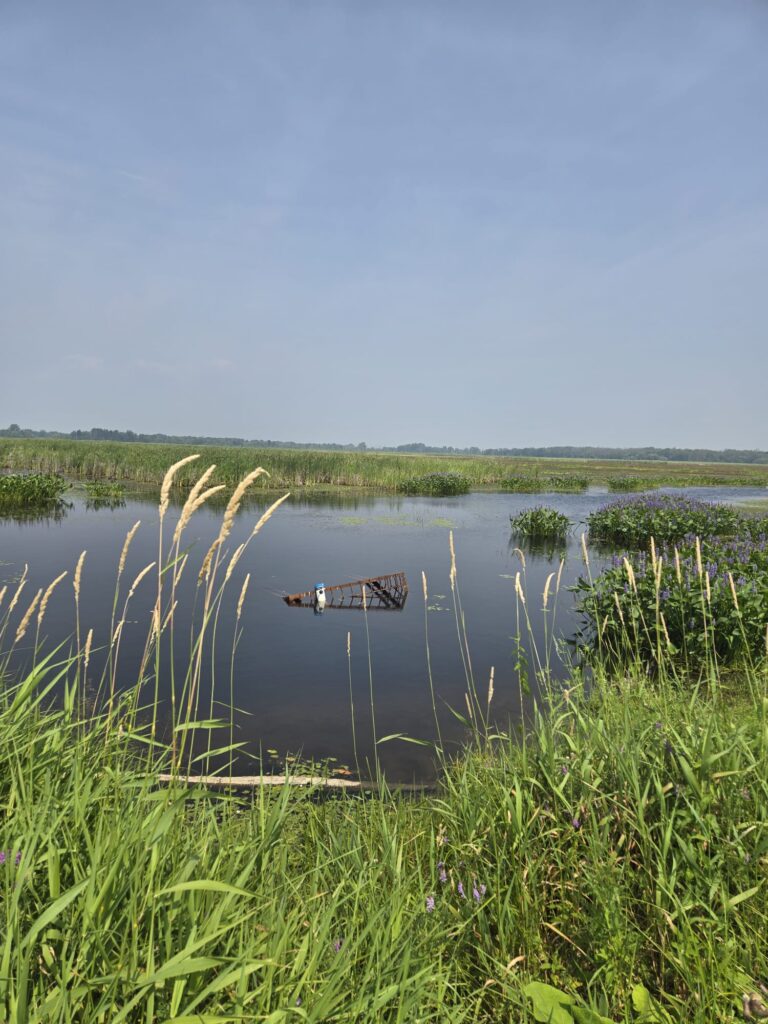
CARBONIQUE – Study of the CARBON Cycle In QUÉbec’s Wetlands
This is a 5-year research program, jointly funded by the Quebec Ministry of the Environment and the Fight against Climate Change under their Plan for a Green Economy 2030, an NSERC Alliance Advantage grant, and Ducks Unlimited Canada, with in-kind contributions from all project partners. Its goal is to improve understanding of the carbon sequestration capacity of Canada’s main wetland types and their role as natural climate solutions. The project quantifies the net ecosystem carbon balance (NECB) of bogs, swamps, and marshes under both natural and disturbed conditions, supporting decisions on wetland conservation, carbon stock protection, and greenhouse gas mitigation.
Our team’s role focuses on quantifying different carbon forms and estimating carbon exports through aquatic pathways to understand their contribution to the overall wetland carbon budget.
For more information : https://carbonique.ca/
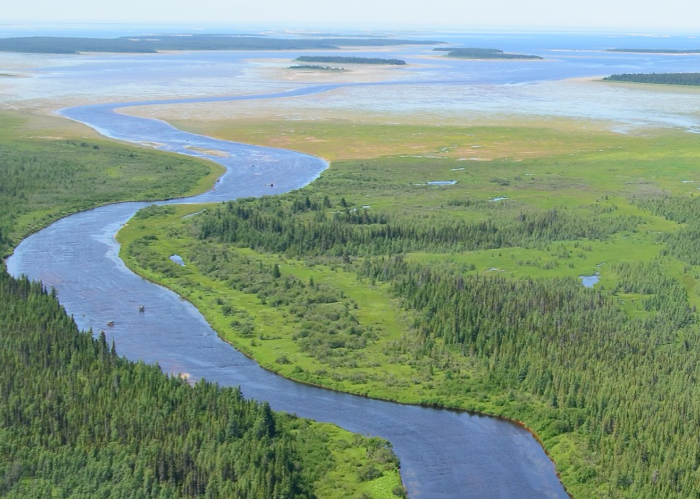
James Bay Coastal Habitat Comprehensive Research Project - River Team
The Coastal Habitat Comprehensive Research Project is a large-scale research program covering the entire eastern coast of James Bay and involving five research teams represented by several Canadian Universities, Cree land users, industry and local authorities. The main objective is to better understand the generalized decline of eelgrass (Zostera marina) habitat along the eastern James Bay coast with parallel climate and land use changes (damming and diversion for hydroelectric production) in the region. This species has been shown to be extremely important to the ecology of the coastal region and a multidisciplinary approach involving the study of freshwater into the Bay is required to link the different factors of this complex system.
Our contribution to this project was to estimate current freshwater, C, nutrient and sediments into the Bay as well as reconstruct past (pre-damming) riverine export and compare with current, and potential future scenarios (climate change). Another important aspect is collaboration, co-production, communication of research outcomes with land users and Cree communities.
To learn more : http://eeyoucoastalhabitat.ca
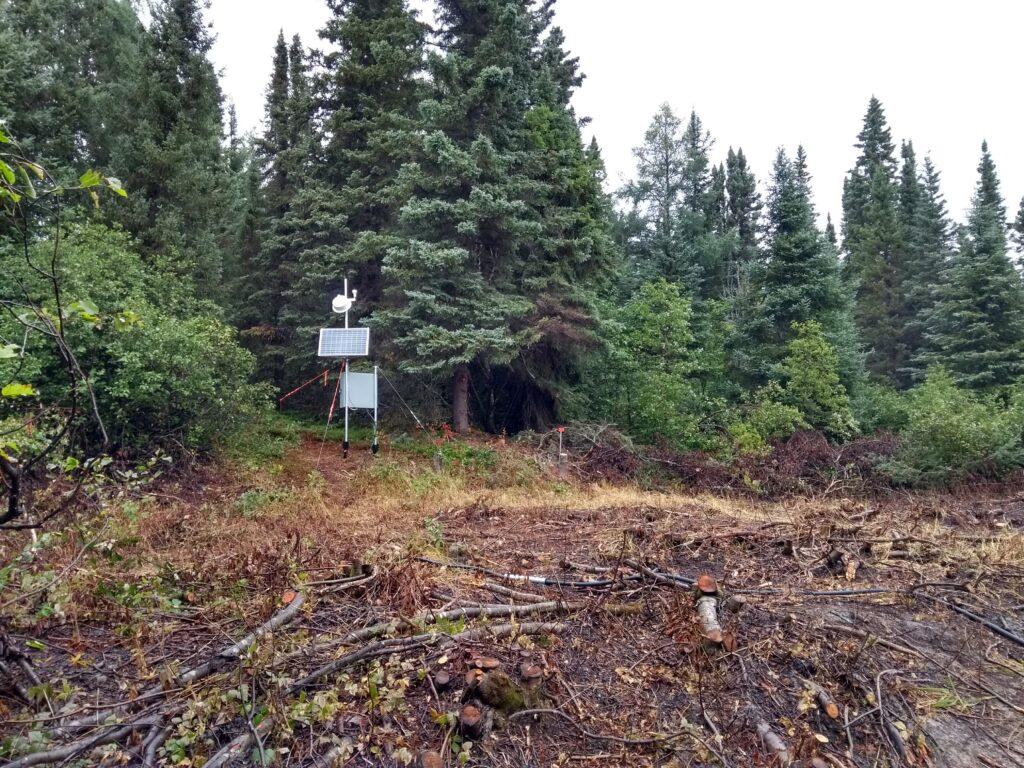
The James Bay River Monitoring Network
The James Bay River Monitoring Network is composed of nine autonomous hydrometric stations deployed in 2018 through the Coastal Habitat Comprehensive Research Project, funded by the Cree Nation Government of Eeyou Istchee and Hydro-Québec via the Niskamoon Corporation. These stations continuously measure river water level (converted into discharge) and temperature, and their data are complemented by five existing Hydro-Québec stations in Eastern James Bay. Since 2023, the network has been operated collaboratively by the Cree Nation Government, Niskamoon Corporation, Hydro-Québec, and Université du Québec à Montréal (UQÀM).
The project includes the installation and maintenance of stations, data management and processing, and the publication of results on a website designed for the community to visualize weekly updated river discharge and temperature data, and this project generates long-term records to track changes in seasonal and annual hydrological patterns.
For more information: https://eeyouriverdischarge.com/
Lake Pulse Network
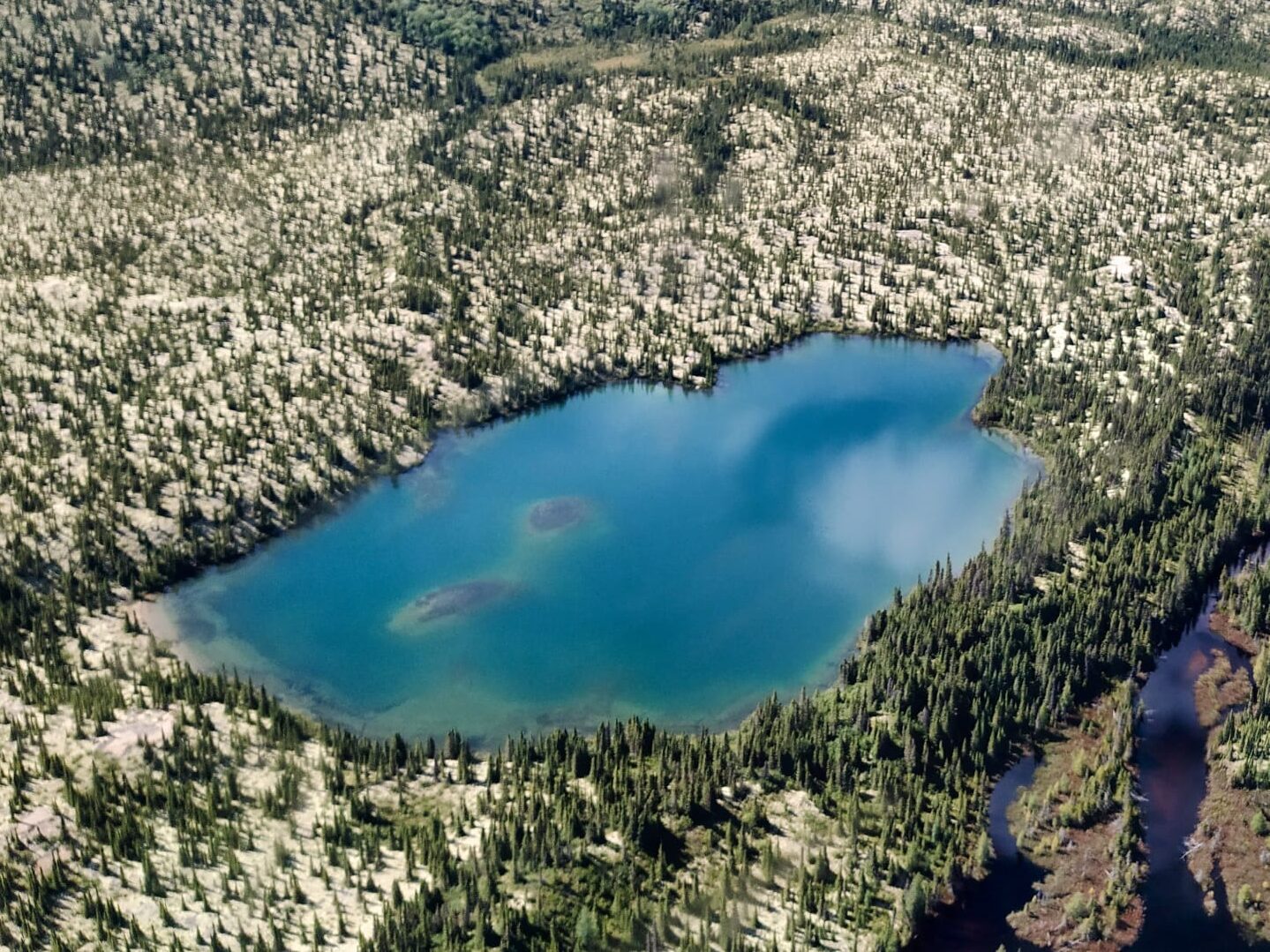
The Lake Pulse Network is a pan-Canadian research initiative that surveys lakes across the country to assess their health, biodiversity, and role in global biogeochemical cycles. By integrating limnology, ecology, and biogeochemistry, the project provides an unprecedented dataset to understand how lakes respond to environmental change at a continental scale.
Within this framework, our group contributes by:
- Quantifying and characterizing dissolved organic matter (DOM) across Canadian lakes and linking it to ecosystem metabolism.
- Investigating carbon burial in sediments, including the evolution of organic carbon storage over the past 150 years.
- Evaluating the structure of planktonic microbial communities across boreal lakes to understand their role in shaping carbon and nutrient dynamics.